Starting next week, San Francisco will be the fifth county in the state to implement Laura’s Law, the measure that allows judges to force severely mentally ill people to get treatment.The devil, of course, is in the details of how it's regulated and enforced. But a history of hospitalization and incarceration does not mean, by itself, at risk for perpetrating violence. I see this law as spreading fear and stigma, the last thing the mental health community should want.
The measure is targeted toward people who are resisting care and have a history of hospitalization, incarceration or violence. Family members, mental health providers or police officers can petition the court to compel patients into outpatient treatment, though patients cannot be forced to take medication.

Showing posts with label law. Show all posts
Showing posts with label law. Show all posts
Thursday, October 29, 2015
#CultOfCompliance - Compelling Compliance for Psychiatric Disability
Here's a disturbing and complex manifestation of the cult of compliance:

Thursday, September 24, 2015
Call for Stories: Neighbors Trying to Control Your Disabled Child
Yesterday I published a brief post on Flowers v. Gopal, in which some rich California folks are trying to declare a neighboring autistic child a public nuisance. I'll have more to say about the case, including answering the, "but but he wasn't a nice kid!" comments I'm getting (short version: If he didn't have autism and they wanted to sue, they'd use personal injury law or something, not public nuisance. Public nuisance law presupposed it's uncontrollable. Anyway).
I'd like to collect other stories about the ways that neighbors have tried to control your disabled child through the legal system - either lawsuits, calling the police, or calling child protective services or departments of children and family services (or whatever your state has), or trying to get the school to expel your child because of their behavior to other children, etc.
You can post them in comments (now with Disqus, which hopefully will work better). You can post them on my Facebook threads. You can send them to me over email. If you send them to me over email, I can keep them confidential.
Please share widely.
Wednesday, June 4, 2014
The End of Mental Retardation
 |
So here's a headline that you might have missed (I would have missed it if not for Rebecca Cokley, executive director of the National Council on Disability): Supreme court ends "mental disability." Sort of.
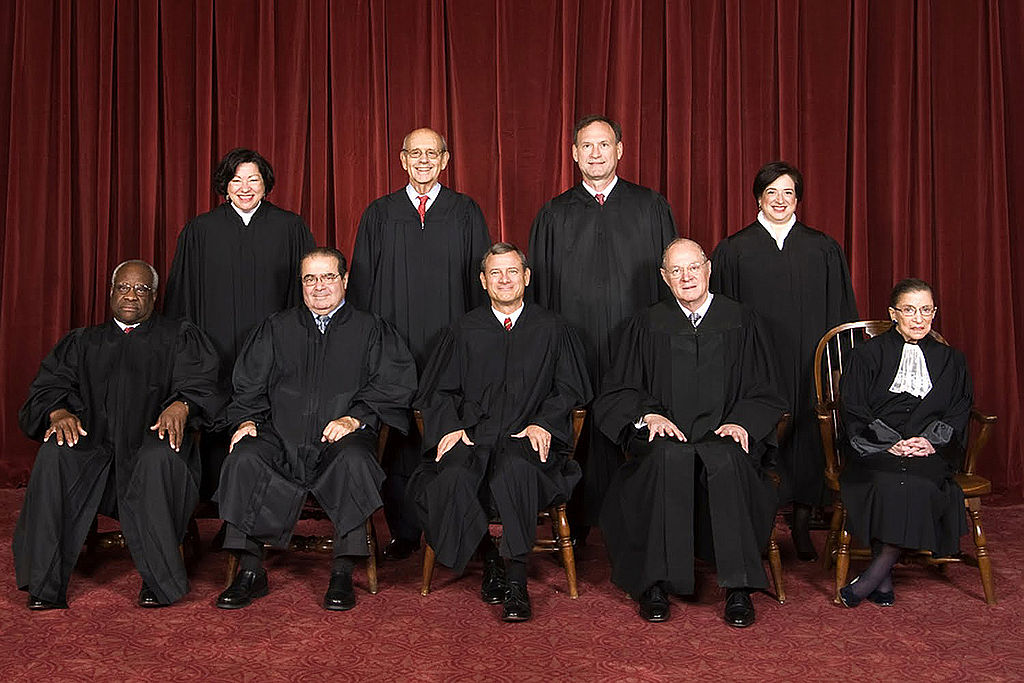
The U.S. Supreme Court is often divided, but on one little-noticed point last week, it was unanimous: the term "mental retardation" is no longer appropriate to use. This may seem trivial and way too late. Mental health professionals and most of the rest of us long ago abandoned that phrase, which echoes insulting schoolyard epithets.
But at an institution whose decisions have broad impact, the court's action is a significant sign of society's progress toward treating each other with dignity.
The court's shift came Tuesday in Hall v. Florida, which struck down Florida's method for determining whether a death row inmate who claims intellectual disability should be executed. On that issue, the court split 5-4.
But on the second page of the majority opinion, Justice Anthony Kennedy laid down the law on terminology: "Previous opinions of this court have employed the term 'mental retardation.' This opinion uses the term 'intellectual disability' to describe the identical phenomenon." Justice Samuel Alito Jr. adopted the same term in his dissent. As recently as 2013, the court routinely used "mental retardation" in its opinions.The persistent effort by some states to execute people with severe intellectual disabilities is just one of the many horrors of the death penalty and its application in America. That's the bigger issue here.
Still, SCOTUS reflects a broader societal shift in language and representation, and I'm pleased to read Kennedy's and Alito's language here.
Subscribe to:
Posts (Atom)